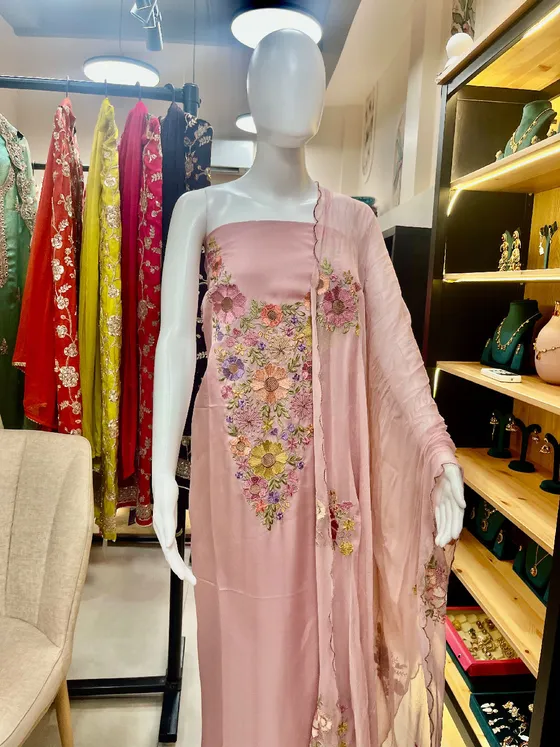
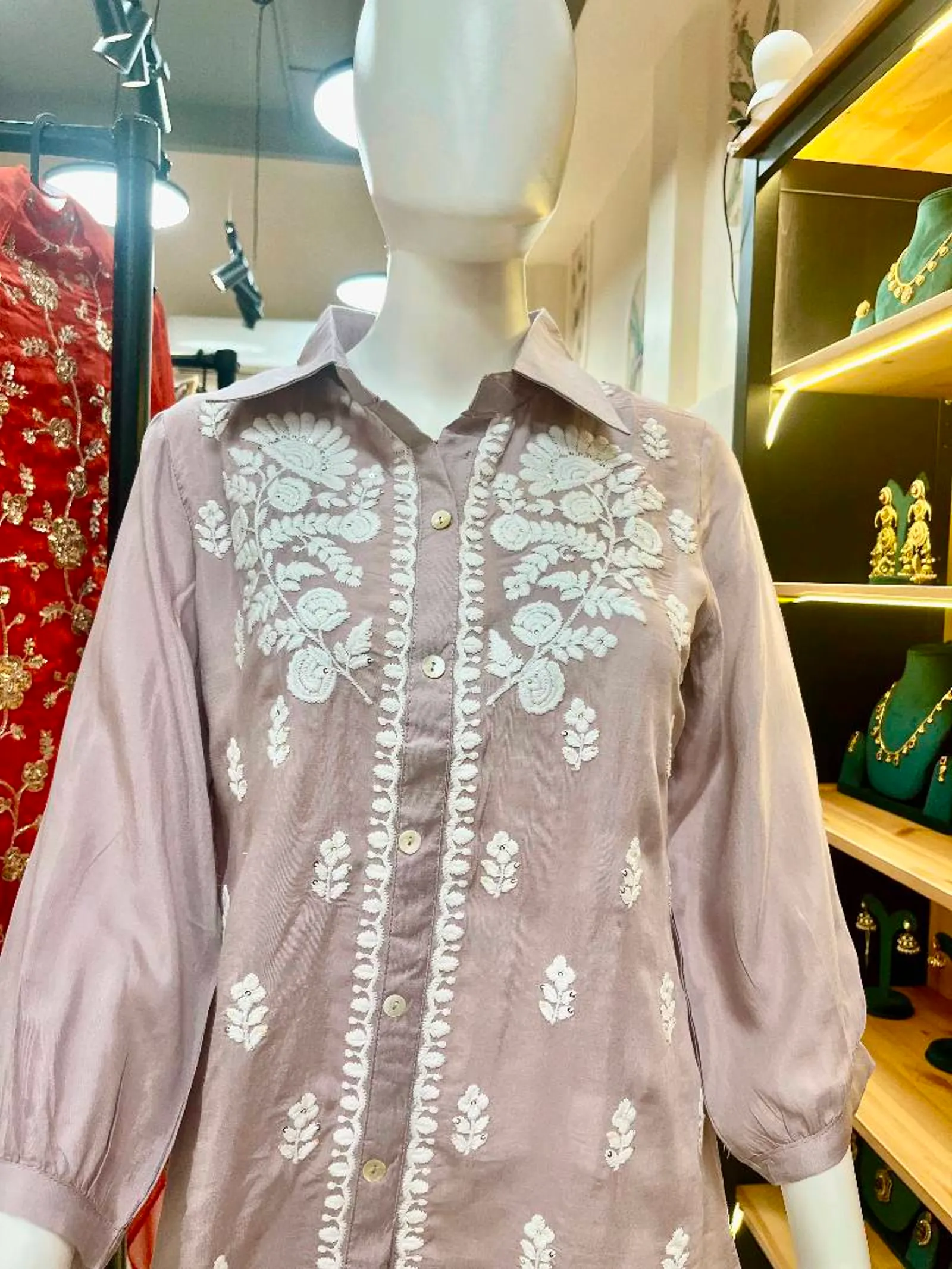
Namaste, beautiful people! At Reyshaa, we know that a dupatta is more than just an accessory; it's the heart and soul of an Indian ethnic outfit. It adds grace, completes your look, and often tells a story of craftsmanship. But with so many beautiful options available, how do you choose the perfect one? Don't worry, your friends at Reyshaa are here to guide you through the wonderful world of dupatta fabrics and weaves!
Understanding different dupatta fabric types and their unique characteristics will help you pick the ideal dupatta for every occasion, ensuring comfort, style, and elegance. Let's dive in!
The Comfort and Versatility of Cotton Dupattas
Cotton dupattas are a timeless classic, loved for their breathability, softness, and everyday comfort. They are perfect for casual wear, office attire, or even light festive occasions, especially during the warmer months.
- Feel: Soft, breathable, absorbent.
- Look: Often features vibrant prints, simple embroidery, or solid colours. They offer a relaxed yet elegant drape.
- Best For: Daily wear, casual outings, summer events. Pairs beautifully with cotton suits like our Peach Embroidered Cotton Kurta (R350) Peach Embroidered Cotton Kurta or a printed straight kurta like Rust Printed Straight Kurta (R355).
- Tip: Look for mulmul cotton for extra softness or Kota Doria for a delicate, sheer texture.
Luxurious Drape: Silk and Art Silk Dupattas
When it comes to grandeur and festive charm, silk dupattas reign supreme. Known for their rich sheen and smooth texture, they instantly elevate any outfit. Art silk offers a similar luxurious look at a more accessible price point.
- Feel: Smooth, lustrous, drapes beautifully. Art silk has a similar feel but might be slightly less delicate.
- Look: Opulent, often adorned with intricate Zari work, heavy embroidery, or traditional motifs. Imagine pairing a gorgeous silk dupatta with our Mauve Silk Embroidered Kurta (R349) Mauve Silk Embroidered Kurta!
- Best For: Weddings, festivals, formal events, and special celebrations.
- Tip: Pure silk requires delicate care, while art silk is more forgiving.
Effortless Grace: Chiffon and Georgette Dupattas
For a lightweight, flowy, and elegant look, chiffon and georgette dupattas are your go-to. These sheer fabrics add a touch of sophistication without feeling heavy, making them perfect for evening wear or adding a delicate layer.
- Feel: Chiffon is very light and sheer with a slightly rough texture; georgette is slightly heavier with a characteristic crinkled, dull finish.
- Look: Sheer, offers a beautiful drape, often solid colours, ombre, or subtle embellishments.
- Best For: Evening parties, semi-formal events, or adding a feminine touch to any suit set.
- Tip: Both fabrics can be slippery, so consider styling them with a dupatta pin.
The Regal Sheen of Organza Dupattas
Organza dupattas have gained immense popularity for their crisp texture, sheer elegance, and subtle sheen. They add a touch of structured grandeur to your outfit, making them a contemporary favourite for festive and formal occasions.
- Feel: Crisp, slightly stiff, sheer, and lightweight.
- Look: A beautiful, subtle sheen that catches the light. Often features delicate embroidery, cutwork, or digital prints. Our White Organza Embroidered Palazzo Suit (R357) White Organza Embroidered Palazzo Suit beautifully showcases the elegance of organza.
- Best For: Weddings, receptions, formal events, or when you want to make a chic statement.
- Tip: Organza holds its shape well, making it ideal for unique draping styles.
Intricate Weaves and Embellishments: Zari, Brocade, and More
Beyond the fabric, the weave and embellishments truly define a dupatta's character. Many dupattas feature intricate weaving techniques that create stunning patterns directly within the fabric itself.
- Brocade: Known for its rich, raised patterns often in gold or silver thread, giving a regal look.
- Zari Work: Gold or silver thread embroidery, often seen on silk or art silk dupattas, adding unparalleled grandeur. Our Maroon Zari Printed Straight Suit (R354) Maroon Zari Printed Straight Suit is a prime example where zari work adds a touch of festivity.
- Bandhani & Leheriya: Traditional tie-dye techniques from Rajasthan and Gujarat, creating vibrant, intricate patterns.
- Phulkari: A traditional embroidery technique from Punjab, involving dense floral patterns.
- Best For: Making a statement, traditional events, adding cultural richness to your ensemble.
Care tip
To keep your beautiful dupattas looking their best, always check the wash care label. Generally, cottons can be hand-washed gently, while silks, organzas, and heavily embroidered pieces are best dry-cleaned. Store them carefully, preferably folded or rolled, to prevent creases and snagging delicate threads.
FAQs
How do I choose the right dupatta fabric for the occasion?
Consider the formality and weather. For daily wear or summer, cotton or chiffon are ideal. For weddings and parties, silk, organza, or heavily embroidered georgette dupattas are perfect. Lighter fabrics like chiffon or georgette are great for evening events where you want elegance without bulk.
Can I mix and match dupatta fabrics with different suit materials?
Absolutely! Mixing and matching is a fantastic way to create unique and personalized looks. For instance, pair a plain cotton suit with a rich silk or organza dupatta for an instant festive upgrade, or a heavy silk suit with a delicate net or chiffon dupatta for a balanced look. Don't be afraid to experiment!
What's the difference between chiffon and georgette dupattas?
While both are sheer and flowy, chiffon is typically lighter, more sheer, and has a softer drape. Georgette is slightly heavier, has a distinct crinkled or dull finish, and a bit more body, making it less prone to slipping than chiffon. Both are beautiful choices for elegant drapes!
Shop the look
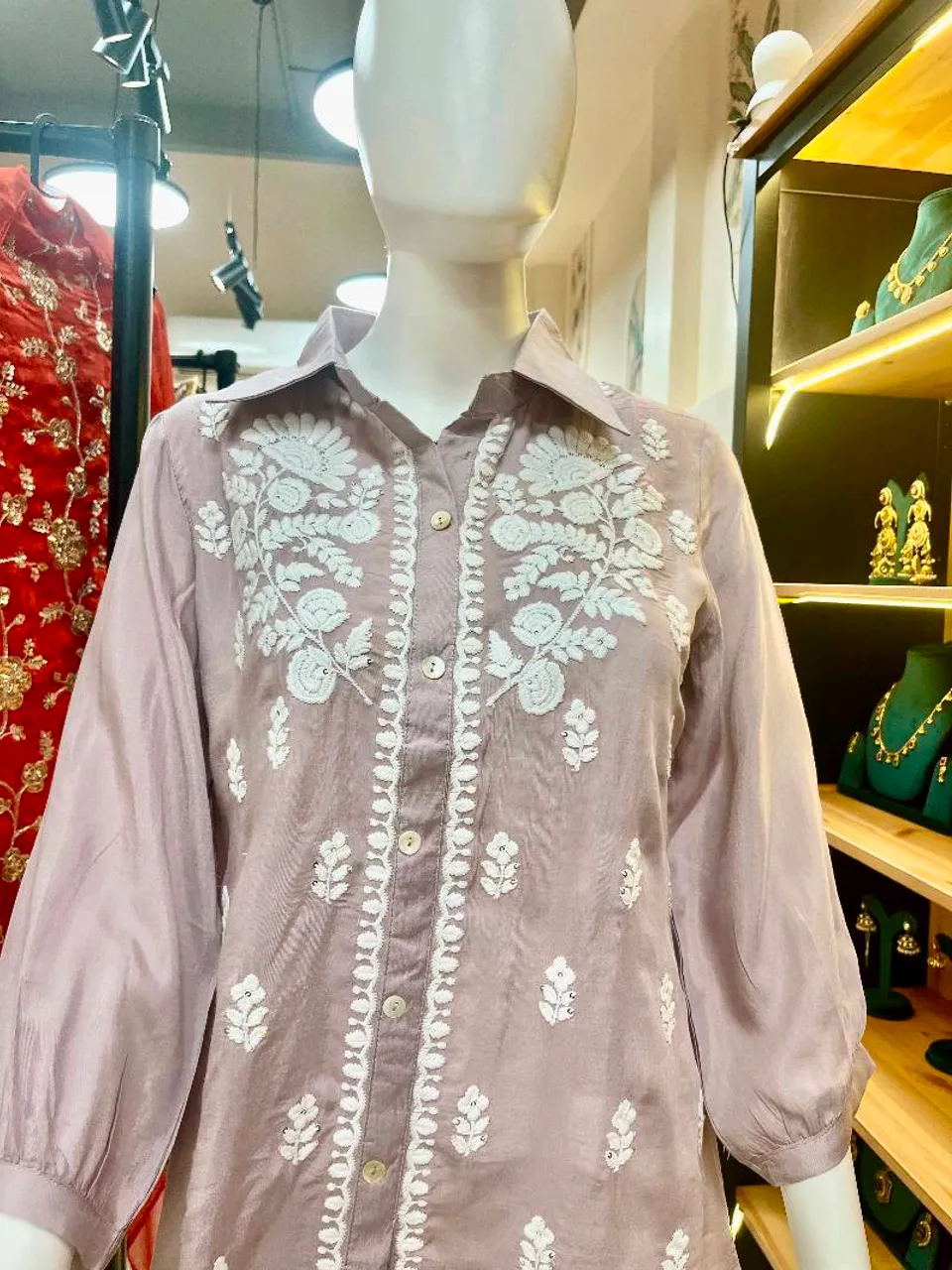
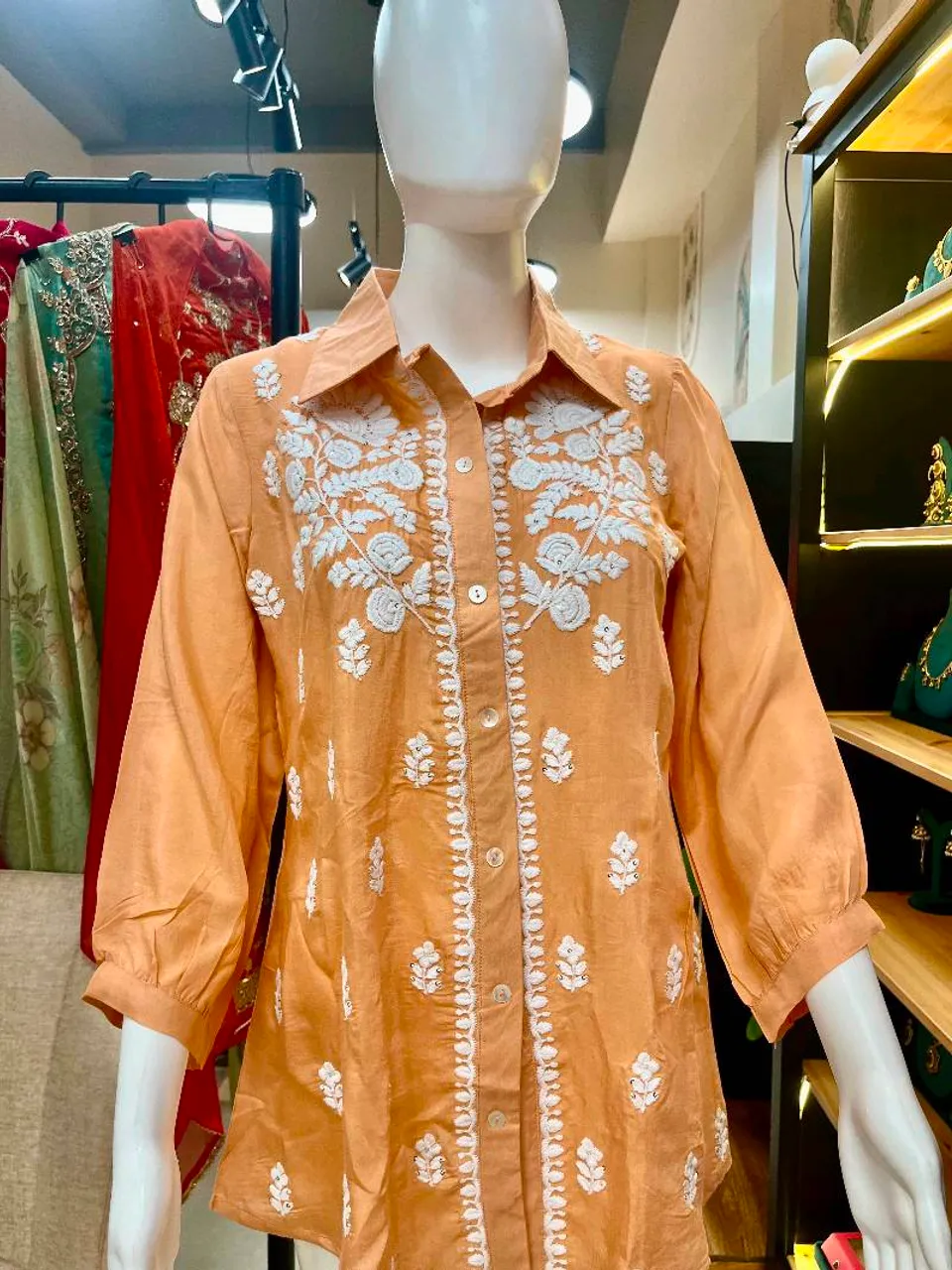
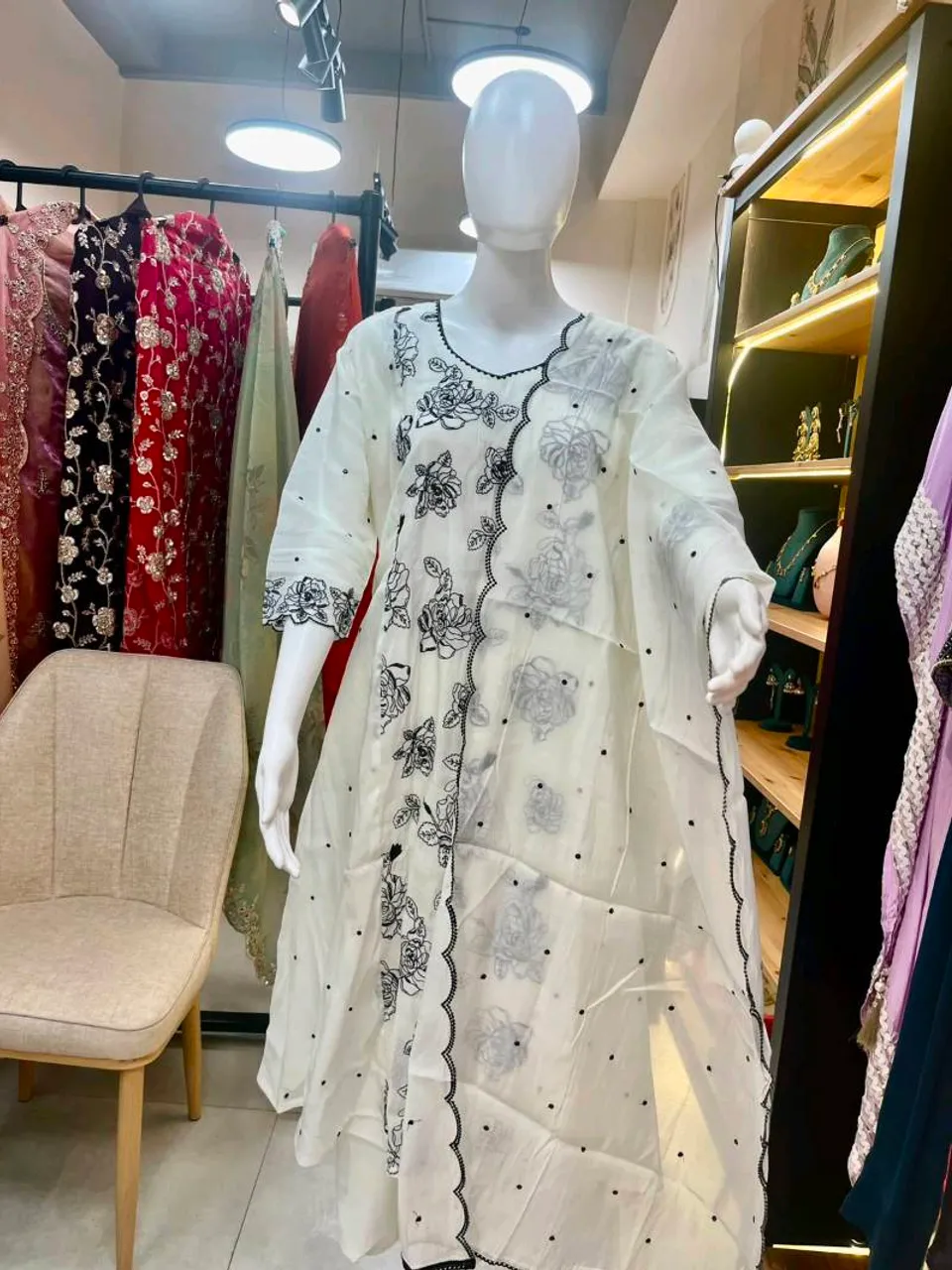
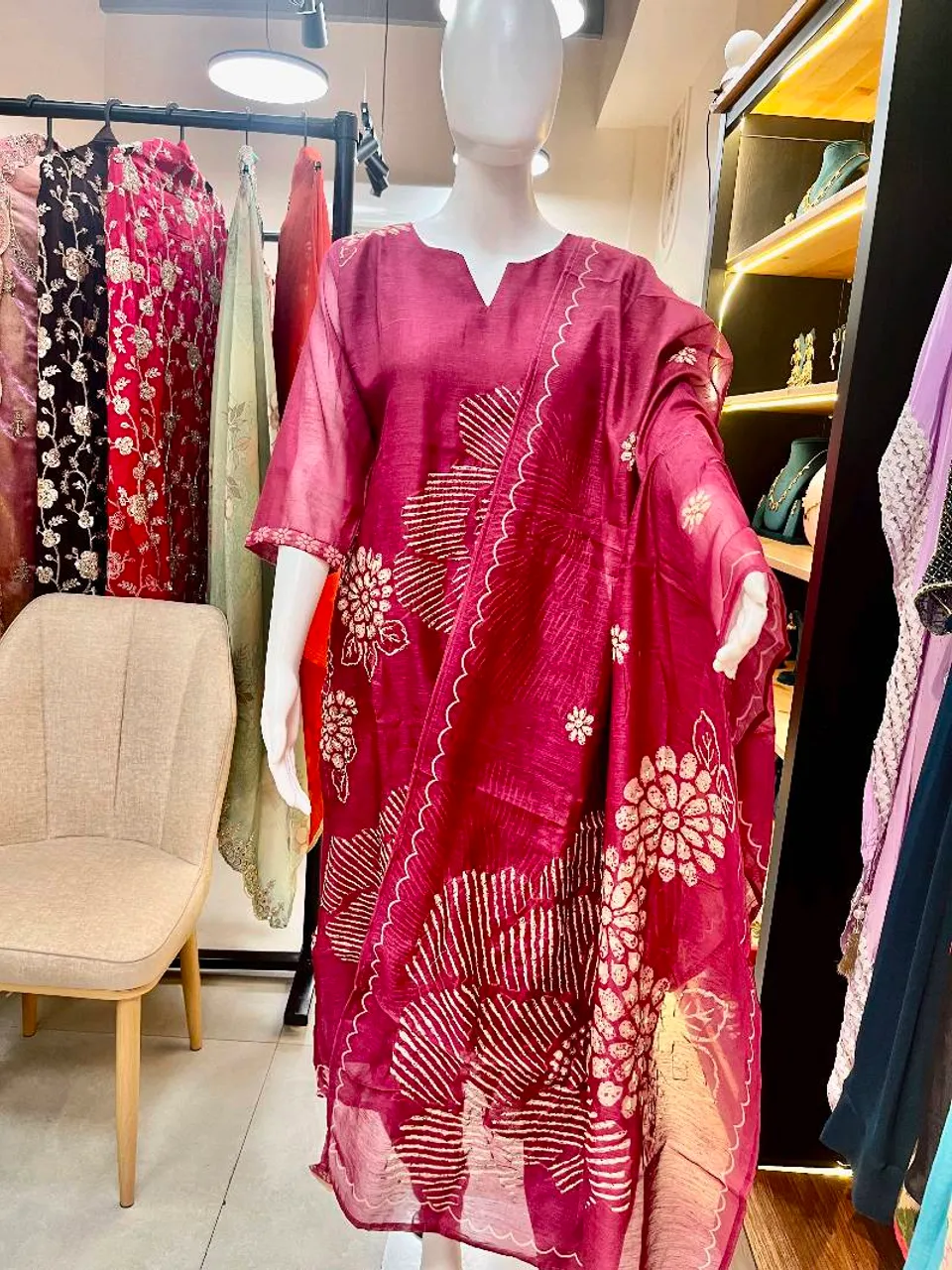
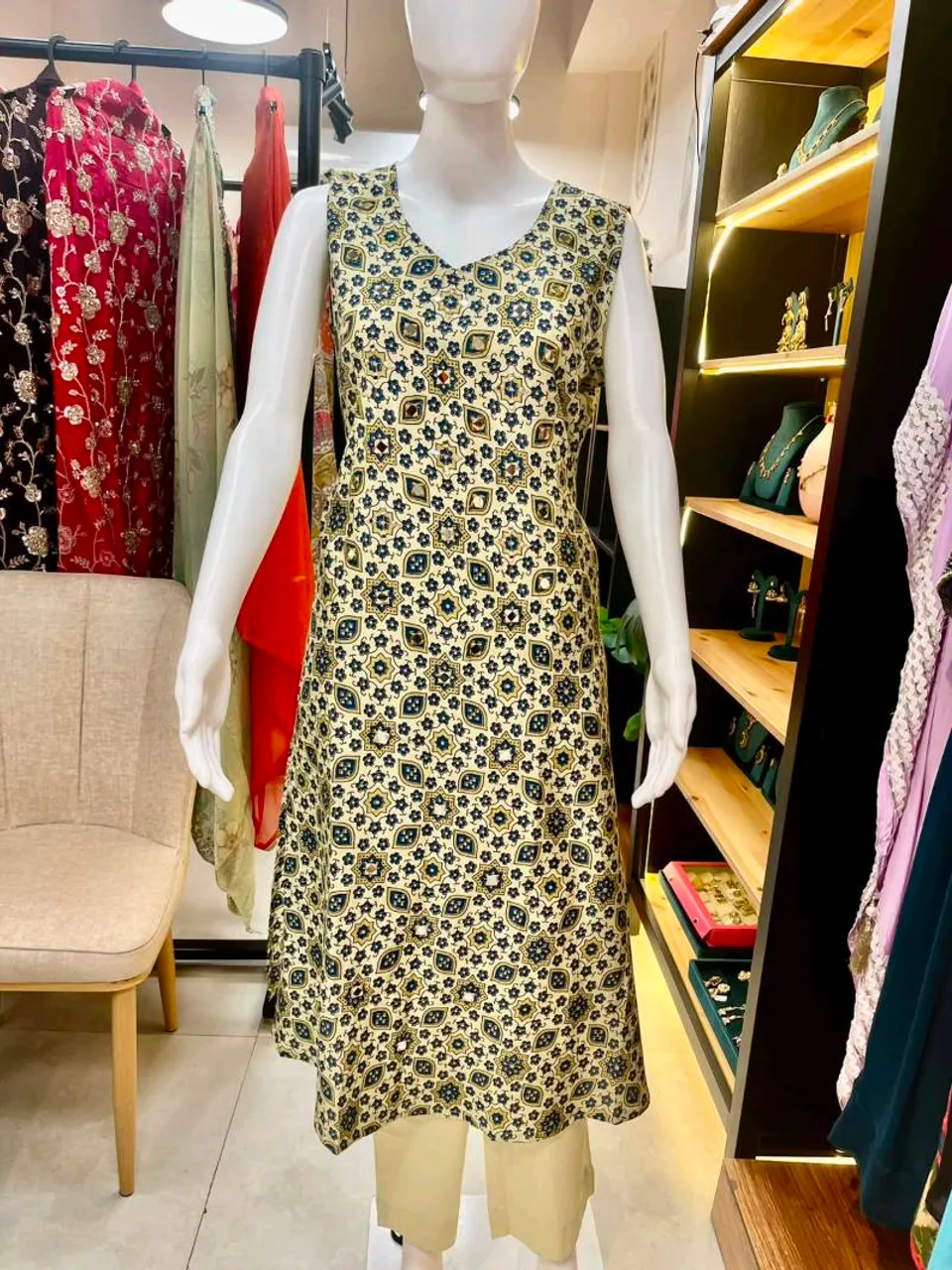
Explore more dress materials, readymade suits and jewellery at Reyshaa — handpicked in Nagpur, delivered across India.